
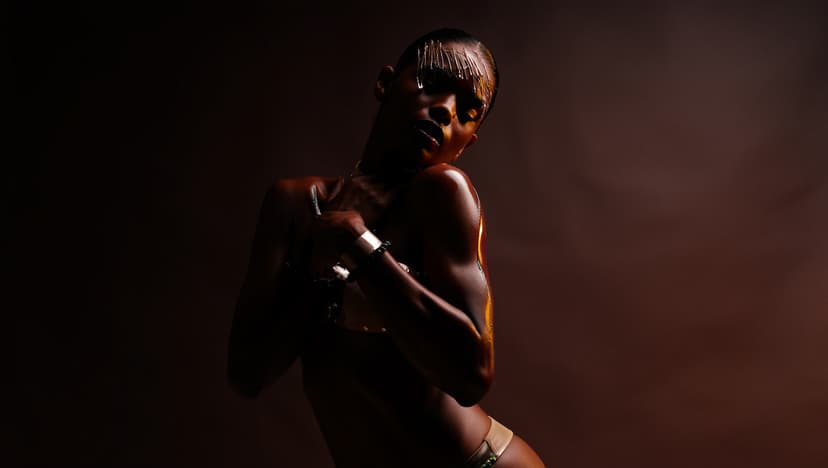
A New Chapter for Representation
For decades, media representation was limited by access, geography, and bias.
Casting decisions often mirrored stereotypes, not society.
AI is rewriting that narrative — making inclusion not an initiative, but a default.
AI-generated humans offer a digital canvas free of prejudice, where diversity can be intentional, balanced, and infinite.
From age and ethnicity to body type and gender expression, AI allows creators to reflect the real world — and imagine better ones.
Breaking Stereotypes with Code
In traditional media, representation depended on gatekeepers.
In the AI era, it depends on imagination.
Every digital model can embody traits and stories that rarely appear in mainstream media.
AI-PEOPLE empowers this shift by giving creators and brands tools to design identities that feel human, yet transcend social bias.
You can create a South Asian scientist, a Latina CEO, or a gender-fluid fashion icon — all authentic, respectful, and globally relatable.
The diversity doesn’t come from tokenism — it comes from creative intention.
Why Diversity in AI Matters
Representation is more than visuals — it shapes perception, empathy, and aspiration.
When audiences see themselves in the media, they feel seen in the culture.
AI democratizes this power by removing physical, economic, and social limitations.
For global brands, it’s not just about inclusion — it’s about resonance.
Consumers engage more deeply with stories that reflect them authentically.
And in digital-first storytelling, that authenticity is algorithmically scalable.
Ethical Creativity: Responsibility and Respect
AI-PEOPLE supports ethical creation through moderation, licensing, and transparency tools.
Every AI model is designed with respect for individuality and identity — whether it’s used in fashion, education, entertainment, or social advocacy.
The platform encourages creators to represent diversity not as trend, but as truth — a reflection of the plural, interconnected world we live in.
Ethical AI is not about perfection; it’s about awareness and accountability.
Toward a More Human Digital Future
Virtual diversity doesn’t replace real representation — it amplifies it.
By expanding visibility, it gives voice to those who were previously invisible in global media.
The future of influence, art, and communication will be defined not by who looks perfect, but by who feels real.
AI doesn’t erase humanity — it extends it, pixel by pixel.