
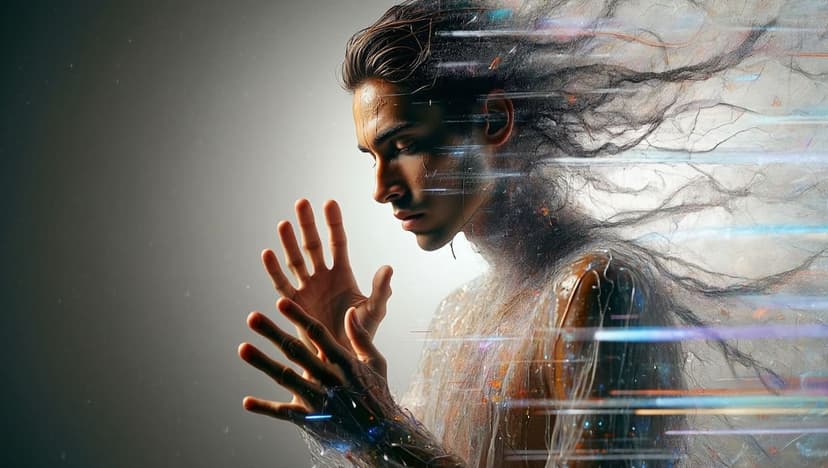
When Creativity Becomes Quantifiable
For decades, creativity was considered the opposite of logic.
In 2025, that divide is disappearing.
AI-driven design now uses data as a creative material — transforming numbers, behaviors, and emotions into visual identity and storytelling.
This new era, often called algorithmic creativity, blends analytics with artistry, intuition with precision.
At AI-PEOPLE, this transformation is visible every day — where brands design not just for audiences, but with them.
From Data to Design: The New Workflow
Every digital interaction — clicks, colors, tone preferences — becomes a design input.
AI models analyze these signals to understand what truly resonates emotionally.
The result:
Campaigns that feel human because they’re built on real human data.
For designers and marketers, AI-PEOPLE tools make this process natural:
- Generate visuals that match audience behavior in real time.
- Adapt colors, lighting, and emotion based on engagement metrics.
- Evolve creative assets continuously — not by trend, but by response.
It’s creativity powered by feedback, not assumptions.
Algorithm as Muse
The myth that algorithms kill art is outdated.
When used consciously, algorithms become collaborators — shaping style, rhythm, and emotional tempo.
They free creators from repetition, letting them focus on concept and impact.
AI doesn’t invent creativity; it reveals it through data — exposing hidden patterns in what people love, react to, and remember.
That’s not manipulation. It’s precision empathy.
Design That Feels Personal
When brands use AI-generated visuals built on audience insight, the effect is profound:
Each campaign feels tailored, intimate, and alive.
A beauty brand can design collections inspired by emotional tone data.
A music festival can generate posters whose colors reflect the sound of its artists.
A startup can craft its entire visual identity around real-time feedback.
The line between designer and data scientist is fading — and that’s the future of design.
The Human Eye Still Leads
Even in algorithmic creation, intuition remains the compass.
Data suggests; humans decide.
AI can model beauty, but humans define meaning.
The next generation of creatives won’t compete with algorithms — they’ll choreograph them, blending aesthetic vision with analytical intelligence.
Algorithmic creativity is not the end of art.
It’s its next dimension.